



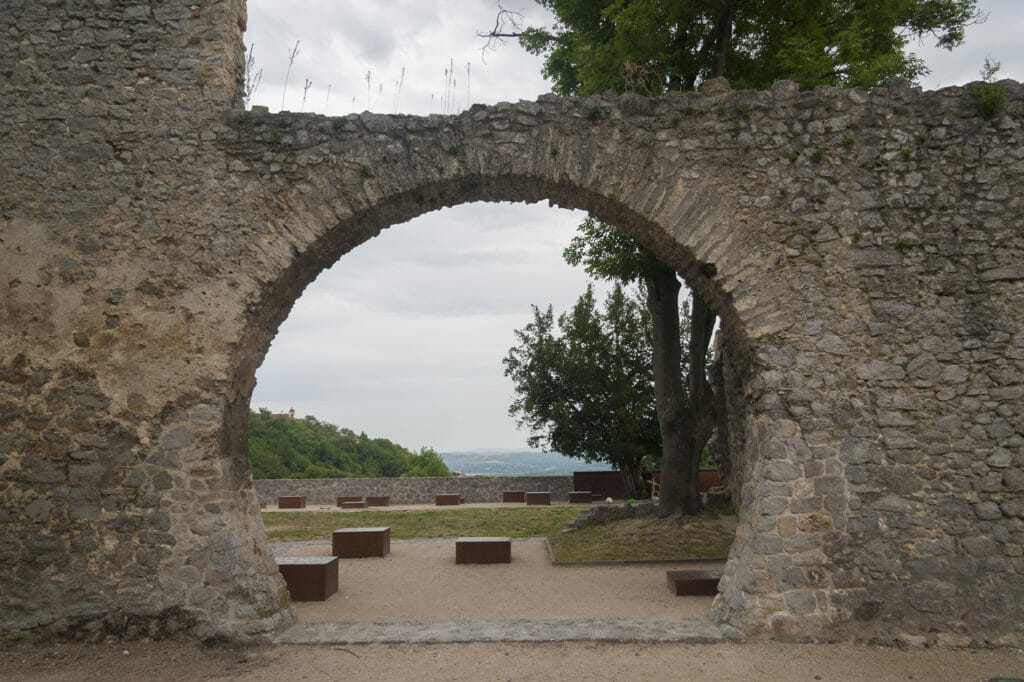
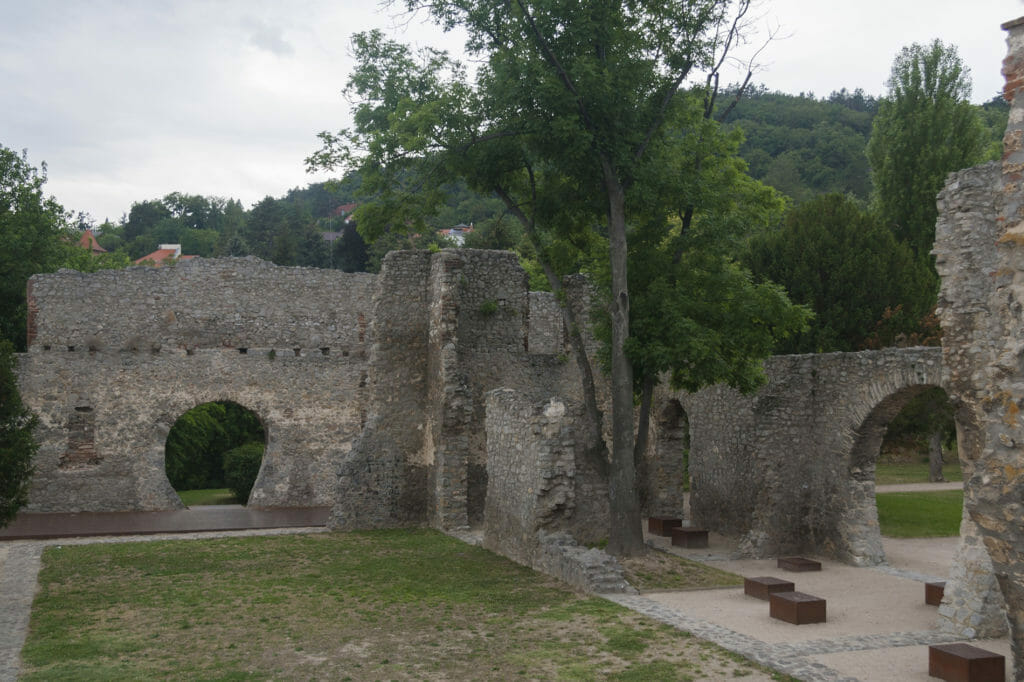
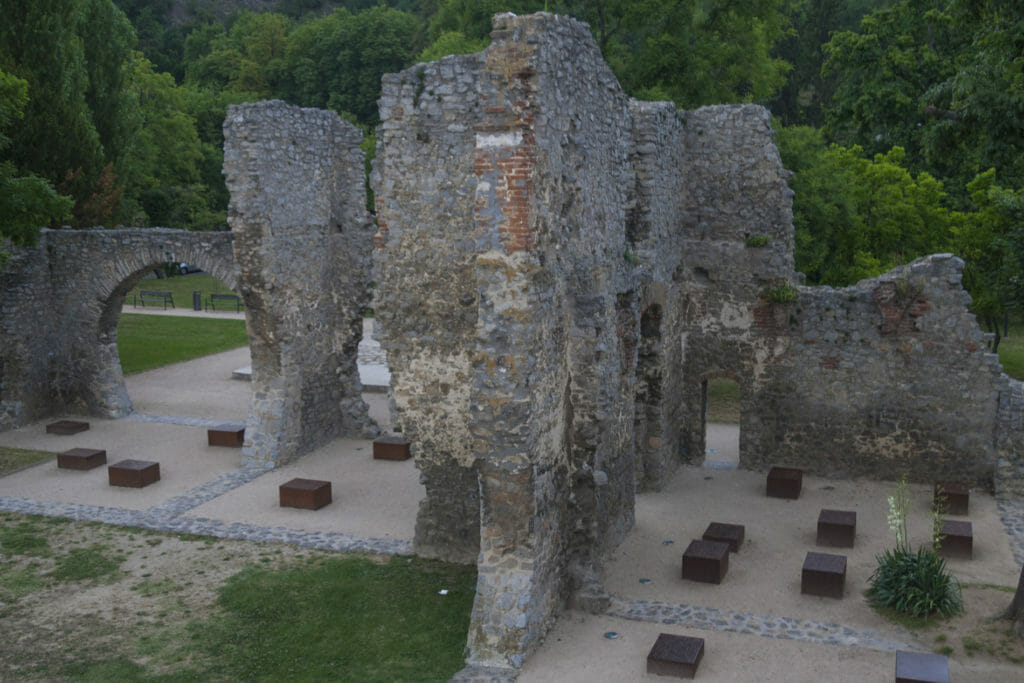
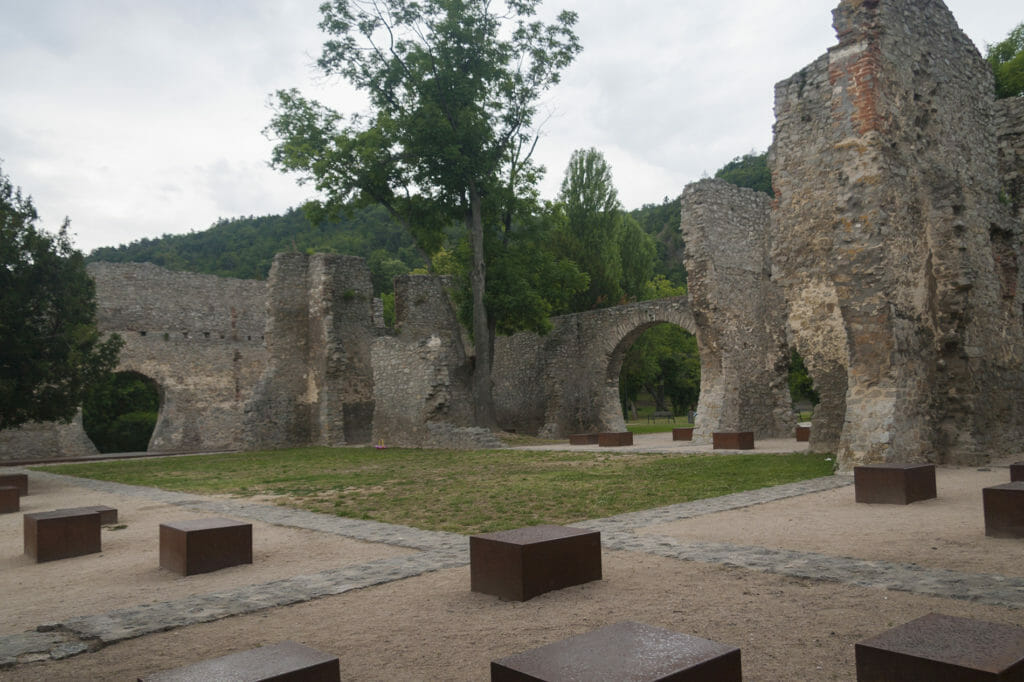
the Tettye Ruins are the remains of a once luxurious Renaissance palace built between 1505 and 1520 by Bishop György Szatmári. He was one of the most influential figures in early 16th-century Hungary and a strong supporter of humanism and Renaissance art.
From a Renaissance Summer Residence to an Ottoman Tekke
He chose a location above the city of Pécs for his summer residence, in what was once a deer park. The palace was designed in a U-shape, with an inner courtyard hidden from public view. According to some sources, Italian masters may have participated in the design, which would not be surprising, as Renaissance influences at the time were strongly connected to Italy.
In the 16th century, Pécs was occupied by the Ottomans. The palace was converted into a dervish monastery, known as a tekke. The present-day name “Tettye” is believed to derive from the Turkish word tekke. Dervishes were members of Islamic mystical orders, known for their meditative rituals and symbolic whirling practices aimed at achieving spiritual closeness to God.
After the Ottomans withdrew, the building gradually fell into decay and eventually remained only as the ruins visible today.
Tettye Today – Park, Views, and Summer Events
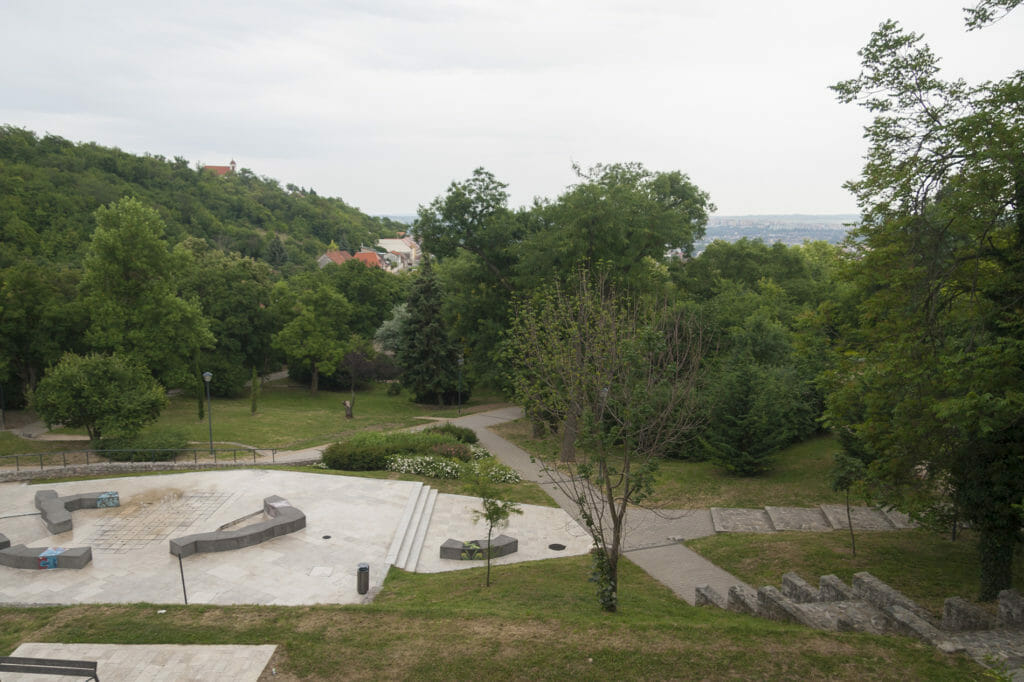
Today, the Tettye Ruins have been transformed into a well-maintained park that is extremely popular among locals. During the summer months, concerts, open-air theatre performances, and cultural events take place here, giving the area a vibrant atmosphere.
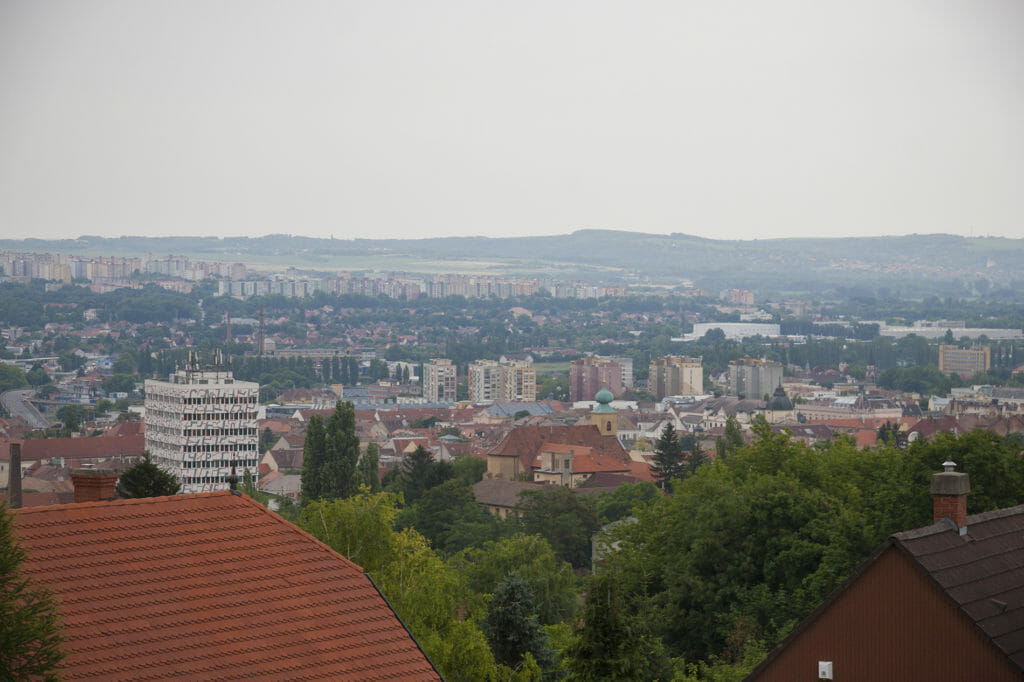
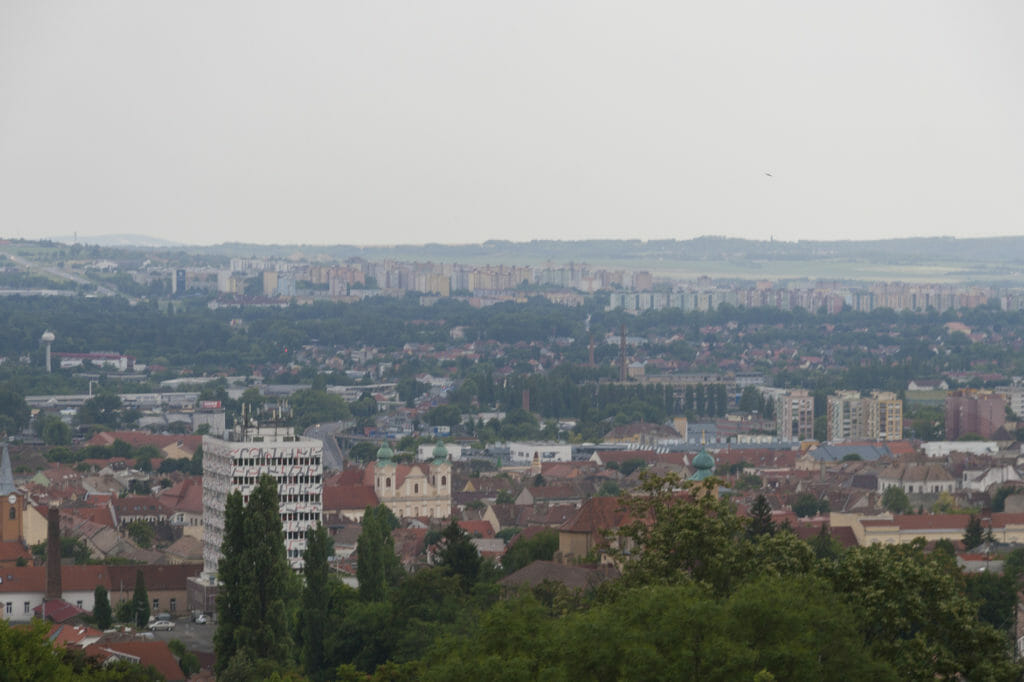
From the viewpoint above the ruins, visitors can enjoy beautiful panoramic views over the city of Pécs and the wider region of southern Hungary. On clear days, the view is especially impressive at sunset, when the city is bathed in warm golden-orange tones.
Unlike the more tourist-oriented attractions in the city center, Tettye offers a more relaxed and local atmosphere. The surrounding area is characterized by small houses and quiet streets, and the park serves as a gathering place for families, young people, and walkers.
Restaurants with a View
Right next to the Tettye Ruins, you will find several restaurants and cafés with terraces overlooking the city of Pécs. It is a great alternative if you want to enjoy a coffee or a meal with a view without climbing to the highest point in the city — the famous Pécs TV Tower.
What Else to See in the Tettye Area?
A visit to the Tettye Ruins can easily turn into a half-day or full-day outing. Nearby attractions include:
- Tettye Cave (Tettyei Mésztufa-barlang) – a small limestone cave open to visitors
- Scenic hiking trails in the Mecsek Hills
- Playgrounds and green spaces
- The renovated Pécs Zoo, located slightly higher on the hillside
The area is ideal for a relaxing escape from the city bustle and for enjoying nature without ever leaving Pécs.
TETTYE RUINS
Address: Tettye tér
Opening hours: Always open.
Admission: Free.
Access: On foot (approx. 25–35 minutes’ walk from the city center), by bus, or by car.
